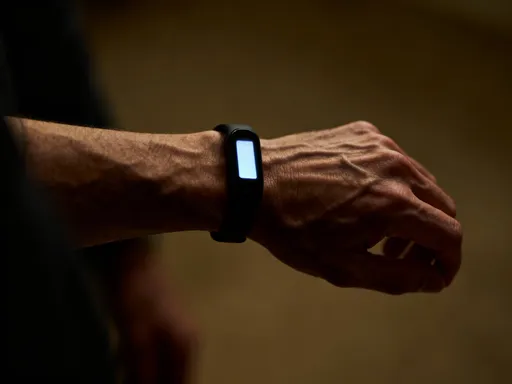
Why I Stopped Guessing About My Health — Real Talk on Smart Prevention
You don’t have to wait for a diagnosis to take control. I used to ignore small signs—fatigue, occasional aches, stress—until I realized they were red flags. Through honest self-assessment and smart health checks, I learned how to spot risks early. This isn’t about fear; it’s about clarity. Discover how shifting my mindset on health evaluation changed my life—and how you can avoid the same mistakes I made. What started as a quiet concern became a powerful journey toward lasting well-being. I no longer treat my body like a machine I only inspect when it breaks down. Instead, I’ve learned to listen, respond, and act—long before crisis strikes. This is not a story of dramatic illness or last-minute recovery. It’s about the slow, steady shift from reaction to prevention, from guesswork to awareness. And it’s a change anyone can make.
The Wake-Up Call: When Ignoring Symptoms Costs You
For years, I told myself I was fine. Tired after work? Normal. Trouble sleeping? Just stress. Occasional headaches? Probably from staring at screens. I dismissed each signal as a minor inconvenience, not a message from my body. But over time, the small things piled up—low energy, trouble concentrating, irritability, aches that lingered. I wasn’t sick, but I wasn’t thriving either. It wasn’t until a routine blood test revealed elevated blood pressure and early signs of insulin resistance that I realized I had been ignoring my body’s warnings. There was no emergency, no hospital visit—just a quiet but urgent message: something needed to change.
This experience was my wake-up call. I had fallen into the same trap so many women in their 30s, 40s, and 50s face: assuming that not being sick means being healthy. But health is not just the absence of disease. It’s the presence of balance, energy, and resilience. By dismissing subtle symptoms, I had missed months—possibly years—of opportunity to prevent deeper issues. The cost wasn’t measured in medical bills, but in lost quality of life: fewer active days with my family, less patience, more frustration, and a constant low-level exhaustion that I had accepted as normal.
What made the difference was not a miracle cure, but a shift in mindset. I began to see my body not as something to push through, but as a system that communicates. Every ache, every shift in mood, every change in sleep or appetite became data—not something to fear, but something to understand. I learned that early detection isn’t about waiting for a crisis; it’s about paying attention before one develops. And for women managing households, careers, and caregiving, this kind of awareness is not a luxury—it’s a necessity. When we neglect our own signals, we risk not only our health, but our ability to show up fully in our lives.
What Is Health Assessment—And Why It’s Not Just for Doctors
Many people think health assessment means a doctor’s visit once a year. A quick check of blood pressure, cholesterol, and maybe a blood sugar test. But true health assessment is more than a snapshot—it’s an ongoing process of observing, understanding, and responding to your body’s daily signals. It means tracking how you feel, not just how you test. It’s about noticing patterns: when your energy dips, how stress affects your digestion, whether your sleep is truly restful. This kind of awareness doesn’t replace medical care—it enhances it. It gives you the information to ask better questions, seek help sooner, and partner more effectively with your healthcare provider.
One of the most common misconceptions is that if you don’t feel pain, you must be healthy. But many serious conditions—high blood pressure, prediabetes, early-stage heart disease—show no obvious symptoms in their early stages. That’s why waiting for pain to act is like waiting for a fire to start before installing a smoke detector. Health assessment is the practice of installing those detectors in your daily life. It’s not about self-diagnosis or obsessing over every minor change. It’s about developing a baseline of what’s normal for you, so you can recognize when something is off.
Another misunderstanding is that health assessment is only for people with known conditions. In reality, it’s most powerful for those who feel fine. When you’re in the middle of life—juggling work, family, and responsibilities—it’s easy to assume that as long as you’re functioning, you’re healthy. But function isn’t the same as vitality. True health assessment helps you move beyond mere function to a state of well-being where you feel strong, clear, and capable. It’s a form of self-respect, a way of saying, ‘I matter enough to pay attention to my own needs.’ And it’s a skill that grows stronger with practice, not something reserved for medical professionals.
The Hidden Traps: 4 Mistakes Most People Make
Even with the best intentions, many people fall into common traps that undermine their prevention efforts. The first and most widespread mistake is relying solely on annual checkups. While regular medical visits are important, they provide only a single data point once a year. Health changes happen daily, and waiting 12 months to assess your well-being means missing early warning signs. Think of it like checking your car’s oil only once a year—you might avoid a breakdown, but you’re not optimizing performance or catching small issues before they grow.
The second trap is trusting symptoms alone. Many believe that if they don’t feel sick, they must be healthy. But as mentioned earlier, serious conditions often develop silently. Relying only on how you feel can create a false sense of security. On the flip side, some overreact to every minor symptom, leading to unnecessary anxiety. The key is balance: pay attention to patterns, not isolated events. A single bad night of sleep or a day of fatigue isn’t alarming, but consistent poor sleep or daily exhaustion should prompt reflection and, if needed, professional input.
The third mistake is comparing your health to others. It’s easy to look at a friend who eats poorly but seems energetic, or a coworker who never gets sick, and assume your own struggles are abnormal. But everyone’s body is different. Genetics, lifestyle, stress levels, and past health history all shape how we experience wellness. Comparison distracts from your personal baseline and can lead to either complacency or undue worry. Your health journey is yours alone, and what matters most is how you feel over time, not how you measure up to someone else.
The fourth trap is over-relying on fitness trends. From juice cleanses to extreme workouts, popular health fads often promise quick fixes. But sustainable health isn’t built on short-term extremes. These trends can be misleading, even harmful, if they replace balanced, evidence-based habits. True prevention comes from consistency—small, daily choices that support long-term well-being, not dramatic changes that fade after a few weeks. The goal isn’t to follow the latest trend, but to build a personalized, realistic approach that fits your life.
Beyond the Scale: What to Actually Track
For many women, health tracking means stepping on the scale. But weight is just one small piece of the puzzle—and often a misleading one. Muscle gain, water retention, hormonal shifts, and other factors can cause fluctuations that have nothing to do with health. A better approach is to focus on functional metrics: how your body performs and feels. These are more reliable indicators of true well-being and long-term resilience.
Sleep quality is one of the most important but overlooked factors. Are you falling asleep easily? Do you wake up refreshed? Do you wake up multiple times during the night? Poor sleep is linked to a wide range of health issues, from weakened immunity to increased risk of heart disease and cognitive decline. Tracking your sleep patterns—through a journal or a simple app—can reveal patterns that help you make meaningful changes, like adjusting bedtime routines or reducing screen time before bed.
Energy levels throughout the day are another key metric. Do you have steady energy, or do you crash in the afternoon? Are you relying on caffeine to get through the day? Consistent low energy can signal imbalances in diet, sleep, or stress management. Digestion is also a powerful indicator. Regular, comfortable digestion reflects good gut health, which is increasingly linked to overall well-being, including mood and immune function. Bloating, constipation, or frequent discomfort are signs worth noting.
Mood and mental clarity matter too. Do you feel calm and focused, or irritable and foggy? Hormonal changes, nutrient deficiencies, and chronic stress can all affect your emotional state. Tracking mood swings helps identify triggers and patterns. Finally, recovery time—how quickly your body bounces back after exertion, illness, or stress—is a strong sign of resilience. If you’re taking longer to recover than before, it may be time to reassess your lifestyle habits. These metrics, tracked over time, provide a much clearer picture of health than any single number on a scale.
Lifestyle Blind Spots: How Daily Habits Sabotage Prevention
Many of the habits that harm long-term health are so common they go unnoticed. Chronic stress is one of the biggest silent contributors to disease. When stress becomes constant, it raises cortisol levels, which over time can lead to weight gain, high blood pressure, weakened immunity, and sleep problems. Yet many women accept stress as a normal part of life, not realizing its cumulative impact. The key is not to eliminate stress—impossible for most—but to build in regular recovery. Simple practices like deep breathing, short walks, or mindful moments can reset your nervous system and reduce long-term damage.
Poor hydration is another blind spot. Many people don’t drink enough water, mistaking thirst for hunger or fatigue. Even mild dehydration can affect energy, concentration, and digestion. The body needs water to regulate temperature, transport nutrients, and remove waste. A simple habit—like drinking a glass of water first thing in the morning or carrying a reusable bottle—can make a noticeable difference over time.
Inconsistent sleep patterns also take a toll. Going to bed and waking up at different times each day disrupts your circadian rhythm, which affects everything from hormone balance to metabolism. Even if you get eight hours one night and five the next, the inconsistency can impair recovery and cognitive function. Creating a regular sleep schedule, even on weekends, supports long-term health more than any single night of rest.
Sedentary behavior is another major risk. Sitting for long periods—working at a desk, commuting, watching TV—slows circulation, weakens muscles, and increases the risk of chronic disease. The solution isn’t necessarily intense exercise, but regular movement. Standing up every 30 minutes, stretching, or taking short walks can counteract the effects of sitting. These small shifts, when done consistently, have a powerful cumulative effect on prevention. The goal is not perfection, but progress—replacing invisible habits with visible, positive ones.
When to Seek Help: Reading the Warning Signs
Self-assessment is a powerful tool, but it’s not a substitute for professional care. There are certain signs that should never be ignored, even if they seem minor. Persistent fatigue that doesn’t improve with rest, unexplained weight loss or gain, prolonged digestive issues, frequent headaches, or changes in heart rate or breathing are all reasons to consult a healthcare provider. These could be signs of underlying conditions that benefit from early intervention.
Other red flags include changes in skin, nails, or hair—such as unexplained rashes, hair thinning, or brittle nails—which can indicate nutrient deficiencies or hormonal imbalances. Mood changes that last for weeks, especially feelings of hopelessness or loss of interest in activities, should also be taken seriously. While stress and life changes can affect mood, prolonged symptoms may signal a need for medical or psychological support.
It’s also important to pay attention to how your body responds to changes you’ve made. If you’ve improved your diet, sleep, and activity level but still feel unwell, that’s a signal to seek help. Your body is trying to communicate, and sometimes the message requires expert interpretation. Normalizing early consultation removes the stigma of ‘bothering the doctor’ and reinforces that prevention is a team effort. Your observations, combined with medical testing, create a fuller picture of your health.
Remember, seeking help is not a sign of failure. It’s a sign of strength and self-awareness. Women often put others’ needs first, delaying their own care until symptoms become severe. But early action often leads to simpler, more effective solutions. By combining self-monitoring with timely professional input, you create a safety net that supports long-term well-being.
Building Your Personal Prevention Plan
Prevention isn’t about one big change—it’s about small, consistent actions that add up. Start by choosing one or two areas to focus on, based on your self-assessment. If sleep is a struggle, commit to a bedtime routine. If stress is high, build in five minutes of deep breathing each day. The goal is sustainability, not speed. Lasting change happens gradually, through repetition and reinforcement.
Next, schedule regular health screenings based on your age, family history, and risk factors. These are not optional—they are essential tools for early detection. Keep a simple record of your tests and results, so you can track changes over time. Share this with your doctor to support informed decisions. At the same time, continue your daily self-monitoring. Use a journal, app, or checklist to track sleep, energy, mood, and digestion. Over time, you’ll see patterns emerge that guide your choices.
Incorporate movement into your day in ways that fit your life. You don’t need a gym membership or hours of exercise. Walking, stretching, gardening, or dancing with your kids all count. The key is consistency. Aim for daily activity that feels good, not punishing. Nutrition is another pillar. Focus on whole foods—fruits, vegetables, lean proteins, whole grains—and minimize processed items. Small swaps, like choosing water over soda or adding vegetables to meals, create lasting impact.
Finally, be kind to yourself. Perfection is not the goal. There will be days when sleep suffers, stress rises, or healthy eating slips. That’s normal. What matters is returning to your habits, not giving up. Prevention is not a one-time event; it’s a lifelong practice. By building a personalized plan that honors your body, your schedule, and your needs, you create a foundation for resilience that grows stronger with time.
True disease prevention starts long before illness appears. It’s built on honest self-reflection, informed choices, and respect for your body’s signals. By redefining health assessment as a daily practice—not a yearly event—you gain power over your future. Start now, stay aware, and make prevention a quiet promise to yourself.