Strong Bones, Better Life: What I Learned the Hard Way
We often take our bones for granted—until something goes wrong. I didn’t think about bone health until I felt constant joint discomfort and low energy. That wake-up call led me to discover simple, science-backed habits that made a real difference. It’s not about quick fixes, but lasting choices. This is what actually works, based on my experience and expert insights—no hype, just truth. Bone health isn’t only about avoiding fractures or osteoporosis; it’s about maintaining strength, balance, and independence throughout life. The good news is that with the right daily habits, we can support our bones at any age. This journey taught me that small, consistent actions lead to meaningful change.
Why Bone Health Matters More Than You Think
Bones are far more than the body’s structural framework—they are dynamic, living tissues that continuously renew themselves. While most people associate bones with support and shape, they also serve as reservoirs for essential minerals like calcium and phosphorus, which the body draws on when needed. These minerals play critical roles in nerve signaling, muscle contraction, and blood clotting. When dietary intake is insufficient, the body pulls calcium from the bones, which can weaken them over time. This hidden exchange underscores why maintaining strong bones isn’t just about preventing breaks—it’s about sustaining overall physiological balance.
Another crucial function of healthy bones is mobility support. Strong skeletal integrity allows for smooth joint movement, balance, and coordination. As people age, even minor declines in bone density can lead to posture changes, reduced stamina, and a fear of falling. Many women in their 40s and 50s begin noticing stiffness after long periods of sitting or discomfort when climbing stairs. These subtle signs are often dismissed as normal aging, but they may signal early bone weakening. Recognizing them as preventable—not inevitable—shifts the mindset from passive acceptance to proactive care.
A common misconception is that bone health only matters in later life. In reality, peak bone mass is typically reached by the late 20s, meaning the foundation for lifelong skeletal strength is built much earlier than most realize. However, it’s never too late to make positive changes. Even after bone density begins to decline, lifestyle interventions can slow the process and reduce fracture risk. The key is consistency. Unlike skin or hair, bones don’t show immediate results from care, so their needs are easily overlooked. Yet, the consequences of neglect can be life-altering, including loss of independence and reduced quality of life.
Another myth is that calcium alone determines bone strength. While calcium is vital, it works in concert with other nutrients and physical stimuli. Without adequate vitamin D, the body cannot absorb calcium efficiently. Without mechanical stress from movement, bones do not receive the signal to rebuild and strengthen. Therefore, focusing solely on dairy intake without addressing sunlight exposure or physical activity creates an incomplete picture. Bone health is a system, not a single nutrient. Understanding this complexity empowers individuals to take a more holistic approach—one that supports the body as a whole.
The Silent Crisis: How Modern Lifestyles Weaken Bones
Today’s way of living often works against strong bones, even when people believe they are making healthy choices. Sedentary routines dominate daily life, with many spending hours seated at desks, in cars, or in front of screens. This lack of movement deprives bones of the weight-bearing stimulation they need to stay dense and resilient. The human skeleton evolved to respond to physical demands—if those demands disappear, the body assumes less bone mass is necessary and gradually reduces it. Over time, this leads to silent weakening, often unnoticed until a minor fall results in a fracture.
Dietary patterns have also shifted in ways that compromise bone integrity. Processed foods high in sodium, sugar, and refined carbohydrates are common in modern diets. Excess sodium increases calcium excretion through urine, effectively leaching this vital mineral from the body. High sugar intake has been linked to increased inflammation, which can interfere with bone remodeling processes. Additionally, many people rely on convenience meals that lack the full spectrum of bone-supporting nutrients. Even those who consume dairy may miss out on magnesium, potassium, and vitamin K—nutrients abundant in whole plant foods but often absent in ultra-processed options.
Vitamin D deficiency is another widespread issue, particularly among individuals who spend little time outdoors or live in regions with limited sunlight. Since the skin produces vitamin D in response to sun exposure, indoor lifestyles significantly reduce natural synthesis. While some foods are fortified with vitamin D, dietary sources alone are usually insufficient to meet daily needs. This deficiency impairs calcium absorption, undermining even the best efforts to consume calcium-rich foods. The problem is compounded by concerns about sun safety, which, while valid, sometimes lead to overprotection and minimal sun exposure without adequate dietary or supplemental backup.
Screen time has also reshaped posture and movement habits. Prolonged use of phones, tablets, and computers encourages forward head posture and rounded shoulders, placing uneven stress on the spine. Over time, this can contribute to spinal compression and reduced vertebral strength. Children and adults alike are developing postural imbalances earlier in life, which may predispose them to back pain and bone-related issues later. The cumulative effect of these lifestyle factors—low activity, poor nutrition, limited sun exposure, and poor posture—creates a silent crisis: bones weakening gradually, without symptoms, until a noticeable problem arises.
Nutrition That Actually Supports Bone Strength
Supporting bone health through diet involves more than just drinking milk or taking a calcium supplement. It requires a balanced intake of several key nutrients that work together to build and maintain strong bones. Calcium is the most well-known, and for good reason—it is the primary mineral in bone tissue. However, its effectiveness depends on the presence of other nutrients, especially vitamin D, which enables the body to absorb calcium from the digestive tract. Without sufficient vitamin D, much of the calcium consumed is simply excreted, doing little to benefit the bones.
Dietary sources of calcium extend beyond dairy products. For those who are lactose intolerant or prefer plant-based options, fortified plant milks, tofu made with calcium sulfate, collard greens, bok choy, and almonds offer valuable alternatives. Including a variety of these foods throughout the day ensures steady calcium intake without overreliance on any single source. Yogurt, cheese, and milk remain excellent options for those who tolerate them, but portion control and fat content should be considered as part of overall dietary balance.
Vitamin D is equally essential. While fatty fish like salmon, mackerel, and sardines provide natural sources, most people do not consume enough of these foods regularly. Eggs and fortified cereals offer smaller amounts, but sunlight remains the most efficient way to obtain vitamin D. For individuals with limited sun exposure, a healthcare provider may recommend a vitamin D supplement after assessing blood levels. It is important not to self-prescribe high doses, as excessive vitamin D can lead to toxicity and adverse health effects.
Magnesium and potassium also play supportive roles. Magnesium helps convert vitamin D into its active form and influences bone crystal formation. Leafy greens, nuts, seeds, and whole grains are rich in magnesium. Potassium helps neutralize acid load in the body, reducing calcium loss from bones. Bananas, sweet potatoes, avocados, and beans are excellent sources. Finally, protein is a critical component of bone matrix. Contrary to outdated beliefs, adequate protein intake supports bone health, especially in older adults. Lean meats, legumes, dairy, and plant-based proteins should be included in regular meals to ensure structural support for bone tissue.
Movement as Medicine: Exercises That Build Bone Resilience
Physical activity is one of the most powerful tools for maintaining and improving bone density. Unlike nutrition, which provides the raw materials, exercise sends the signal that bones need to grow stronger. This process, known as bone remodeling, occurs when mechanical stress stimulates bone-forming cells called osteoblasts. The principle is simple: bones adapt to the loads placed upon them. When they are regularly challenged through weight-bearing and resistance activities, they respond by becoming denser and more resilient.
Weight-bearing exercises are those in which the body works against gravity while staying upright. Walking is one of the most accessible and effective options, especially when done briskly on varied terrain. Stair climbing, hiking, dancing, and jogging also qualify. These activities engage the bones of the legs, hips, and spine—the areas most vulnerable to osteoporotic fractures. For individuals with joint concerns, low-impact alternatives like elliptical training or walking in water provide similar benefits with less strain.
Resistance training further enhances bone strength by applying direct force to muscles and bones. Using body weight, resistance bands, or light weights can all be effective. Exercises such as squats, lunges, wall push-ups, and seated rows activate major muscle groups and stimulate the underlying bones. Even small amounts of resistance, when performed consistently, can make a difference. The key is progressive overload—gradually increasing intensity over time to continue challenging the bones. This does not mean heavy lifting or intense gym routines; even two 20-minute sessions per week can yield measurable benefits.
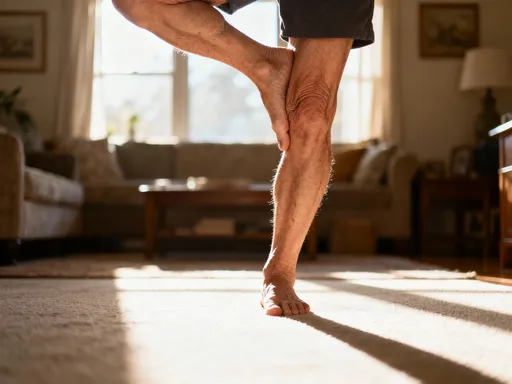
Balance and posture exercises also contribute to bone health by reducing the risk of falls. Tai chi, yoga, and simple stability drills improve coordination and body awareness. These practices strengthen the core and improve alignment, which helps distribute weight evenly across the skeleton. Over time, better posture reduces stress on vulnerable areas like the lower back and neck. Incorporating movement into daily life—such as standing while talking on the phone, taking short walks after meals, or doing gentle stretches in the morning—creates a pattern of consistent stimulation that supports long-term bone vitality.
Daily Habits That Make a Long-Term Difference
Beyond diet and exercise, several everyday habits influence bone health in subtle but significant ways. Sleep, for instance, plays a crucial role in tissue repair and hormonal regulation. During deep sleep, the body releases growth hormone, which supports bone formation. Chronic sleep deprivation disrupts this process and increases levels of cortisol, a stress hormone linked to bone loss. Aim for 7–8 hours of quality sleep per night, maintaining a consistent bedtime and minimizing screen exposure before sleep to support optimal recovery.
Stress management is equally important. Prolonged psychological stress elevates cortisol, which not only interferes with bone formation but also increases calcium excretion. Mindfulness practices such as deep breathing, meditation, or journaling can help regulate the stress response. Even simple routines like walking in nature, listening to calming music, or engaging in a favorite hobby contribute to emotional balance and, by extension, physical well-being. When the body is in a state of chronic stress, it prioritizes survival over maintenance—meaning bone renewal takes a back seat.
Hydration also affects bone health, though indirectly. Proper fluid balance supports joint lubrication and nutrient transport throughout the body. Dehydration can lead to fatigue, reduced physical performance, and impaired recovery from activity—all of which may limit one’s ability to stay active. Drinking water throughout the day, especially before and after exercise, helps maintain energy and function. While beverages like tea and coffee can contribute to fluid intake, excessive caffeine may increase calcium loss, so moderation is advised.
Small behavioral shifts accumulate over time. Standing up every hour during prolonged sitting breaks the cycle of inactivity and engages postural muscles. Morning stretches improve circulation and prepare bones and joints for the day’s demands. Evening walks aid digestion and reinforce weight-bearing activity. These habits do not require extra time or effort but integrate seamlessly into daily life. The compounding effect of such choices—positive or negative—shapes long-term health outcomes. Choosing movement, rest, and mindfulness daily is an investment in skeletal resilience.
When to Seek Professional Guidance
While lifestyle changes can greatly support bone health, there are times when professional input is essential. Persistent bone or joint pain, unexplained fatigue, or a noticeable change in posture should not be ignored. A gradual loss of height, often due to vertebral compression, can be an early sign of bone density loss. Similarly, fractures that occur from minor falls or everyday activities—such as reaching for a shelf or stepping off a curb—warrant medical evaluation. These incidents may indicate underlying fragility that requires further assessment.
Before starting any new supplement regimen, especially for calcium or vitamin D, it is wise to consult a healthcare provider. Blood tests can determine current nutrient levels and identify deficiencies or imbalances. High-dose supplements, when unnecessary, can lead to complications such as kidney stones or cardiovascular issues. A doctor can recommend appropriate dosages based on individual needs, medical history, and lab results. This personalized approach ensures safety and effectiveness.
Bone density testing, commonly performed using a DEXA scan, may be advised for individuals with risk factors such as family history of osteoporosis, long-term steroid use, early menopause, or low body weight. It is not a routine test for everyone but can provide valuable insights when indicated. The results help determine fracture risk and guide prevention or treatment strategies. Discussing these options with a physician allows for informed decisions tailored to personal health circumstances.
Starting a new exercise program, particularly one involving resistance or impact, should also be approached with medical guidance for those with existing health conditions. Individuals with arthritis, heart disease, or previous injuries may need modifications to ensure safety. A physical therapist or certified trainer can design a program that supports bone health without increasing injury risk. Collaboration with healthcare professionals ensures that efforts are both effective and sustainable.
A Mindset Shift: Viewing Bone Health as Lifelong Self-Care
Ultimately, bone health is not a standalone concern but an integral part of overall well-being. It reflects how we treat our bodies every day—through what we eat, how we move, and how we manage stress and rest. Shifting the perspective from fear of fractures to empowerment through self-care transforms the approach from reactive to proactive. Strong bones are not the result of a single action but the outcome of consistent, thoughtful choices made over years.
Perfection is not the goal; consistency is. Missing a walk or eating a processed meal occasionally does not undo progress. What matters is the overall pattern. Choosing a vegetable-rich meal more often than not, taking the stairs when possible, or stretching before bed—these small acts build a foundation of strength. Over time, they foster resilience, energy, and confidence in one’s body. The message is not about drastic change but sustainable integration of healthy habits into real life.
Viewing the body as a long-term partner encourages daily respect and care. Just as we maintain our homes, cars, and relationships, our physical selves deserve attention and nurturing. Strong bones today mean greater freedom tomorrow—whether that’s playing with grandchildren, traveling, gardening, or simply moving without pain. Mobility is a form of independence, and preserving it begins with how we live now.
The habits shared here are based on general health principles and personal experience, but they are not a substitute for professional medical advice. Each individual’s needs are unique, and personalized guidance from a healthcare provider is essential. By combining expert insight with everyday actions, it is possible to build a life of strength, balance, and vitality. Strong bones are not just a health goal—they are a promise to oneself for a more active, fulfilling future.