Fatty Liver? This Is How I Turned My Health Around Naturally
Living with a fatty liver diagnosis used to stress me out—until I made small, science-backed changes that actually worked. I’m not a doctor, but after months of testing what really helps, I’ve seen real improvements. This is a practical, no-nonsense guide to managing fatty liver the natural way, based on what I’ve learned. Always consult your healthcare provider, but let me show you how simple shifts can support your liver health and overall well-being.
The Wake-Up Call: Recognizing Fatty Liver Symptoms and Risks
Fatty liver disease often hides in plain sight. Unlike other conditions that announce themselves with sharp pain or obvious illness, non-alcoholic fatty liver disease (NAFLD) tends to be quiet—so quiet that millions of people live with it without knowing. For many, the first sign isn’t a symptom at all, but a routine blood test revealing elevated liver enzymes. Fatigue, a slight heaviness in the upper right abdomen, or unexplained weight gain may be brushed off as normal signs of aging or stress. Yet these subtle signals can point to a deeper issue: fat accumulating in the liver.
The liver is responsible for over 500 vital functions, including filtering toxins, regulating blood sugar, and producing bile for digestion. When too much fat builds up—specifically when fat makes up more than 5% of liver weight—it begins to interfere with these processes. The condition is now one of the most common liver disorders worldwide, affecting an estimated 25% of adults globally. What’s more concerning is that its prevalence has risen sharply alongside increasing rates of obesity, type 2 diabetes, and sedentary lifestyles.
Several factors increase the risk of developing fatty liver. Being overweight or obese is among the strongest predictors, particularly when excess fat is stored around the abdomen. Insulin resistance, a condition where cells fail to respond properly to insulin, plays a major role in driving fat accumulation in the liver. High triglycerides, low HDL cholesterol, and high blood pressure—components of metabolic syndrome—are also closely linked. Even individuals who appear healthy on the outside can have fatty livers, especially if their diet is high in processed foods and added sugars.
Age and genetics can influence susceptibility, but lifestyle choices remain the most modifiable contributors. Postmenopausal women, for example, face increased risk due to shifts in fat distribution and hormone levels. However, the good news is that early-stage fatty liver is often reversible. Recognizing the signs early and understanding personal risk factors allows individuals to take proactive steps before the condition progresses to inflammation or scarring (fibrosis). Awareness is the first, most crucial step toward healing.
What Exactly Is Fatty Liver? A Simple Breakdown
Non-alcoholic fatty liver disease (NAFLD) refers to a buildup of fat in the liver that is not caused by heavy alcohol use. It’s important to understand that having some fat in the liver is normal—everyone has a small amount. The problem arises when fat exceeds a certain threshold and begins to impair liver function. NAFLD exists on a spectrum, starting with simple steatosis, where fat accumulates but causes little to no inflammation, and potentially progressing to non-alcoholic steatohepatitis (NASH), a more serious form involving liver cell damage and inflammation.
Think of the liver as a busy processing plant. Every substance you eat, drink, or inhale passes through this central hub. The liver breaks down nutrients, stores energy, detoxifies chemicals, and produces proteins essential for blood clotting and immunity. When overloaded—especially with excess sugar and refined carbohydrates—it starts converting those nutrients into fat. Over time, this fat gets stored within liver cells, slowing down operations and reducing efficiency. Just like a factory clogged with excess inventory, the liver can’t keep up with its daily tasks.
The primary driver of this fat accumulation is insulin resistance. When cells become less responsive to insulin, glucose remains in the bloodstream, prompting the pancreas to produce more insulin. This excess insulin signals the liver to produce more fat, particularly from fructose, a type of sugar found in processed foods and sweetened beverages. The liver struggles to process large amounts of fructose, turning much of it directly into fat. This process, known as de novo lipogenesis, is a key reason why high-sugar diets are so strongly linked to fatty liver.
Another factor is the gut-liver axis, a communication pathway between the digestive tract and the liver. An imbalanced gut microbiome—often caused by poor diet—can increase intestinal permeability, allowing bacterial toxins like endotoxins to enter the bloodstream and travel to the liver. This triggers low-grade inflammation, further stressing liver tissue. While imaging tests like ultrasound or FibroScan can detect fat in the liver, blood tests measuring liver enzymes (ALT and AST) are often the first clue. Understanding this condition is empowering: it’s not a life sentence, but a signal from the body asking for better care.
Why Diet Plays the Biggest Role in Liver Recovery
If the liver is the body’s main metabolic processor, then food is its raw material. What you eat directly influences how well the liver functions and whether it stores fat or burns it. Among all lifestyle changes, improving diet has the most significant and immediate impact on reducing liver fat. Research consistently shows that dietary modifications can lead to measurable improvements in liver health within weeks, even without substantial weight loss.
The modern Western diet—rich in refined grains, added sugars, and processed fats—is a major contributor to fatty liver. These foods cause rapid spikes in blood sugar and insulin, overworking the liver and promoting fat storage. Added sugars, especially high-fructose corn syrup, are particularly harmful. Unlike glucose, which can be used by nearly every cell in the body, fructose is primarily metabolized in the liver. When consumed in excess, it overwhelms the organ’s capacity and is converted into triglycerides, the main form of fat stored in the liver.
Refined carbohydrates like white bread, pastries, and sugary cereals behave similarly to sugar in the body. They are quickly broken down into glucose, leading to insulin surges that promote fat production. Processed foods often contain hidden sugars and unhealthy fats, making it easy to consume more than intended. Trans fats, found in many fried and packaged snacks, increase inflammation and worsen insulin resistance, further burdening the liver.
On the other hand, a whole-foods-based diet rich in fiber, healthy fats, and lean protein supports liver detoxification and fat metabolism. Fiber slows sugar absorption, reducing insulin spikes. Healthy fats like those in avocados, nuts, and olive oil do not contribute to liver fat and may even improve lipid profiles. Plant-based proteins and omega-3 fatty acids from fatty fish help reduce inflammation. The goal is not perfection, but consistent progress—replacing processed items with real, nutrient-dense foods that nourish the liver rather than overload it.
The Power of Real Food: What to Eat and What to Skip
Healing the liver isn’t about following a restrictive or complicated diet—it’s about choosing foods that support metabolic health. Certain foods have been shown to protect liver cells, reduce inflammation, and promote fat burning. Leafy green vegetables like spinach, kale, and Swiss chard are rich in antioxidants and nitrates that improve blood flow and reduce oxidative stress in the liver. Cruciferous vegetables such as broccoli and Brussels sprouts contain compounds like sulforaphane that enhance the body’s natural detoxification processes.
Fatty fish—such as salmon, mackerel, sardines, and herring—are excellent sources of omega-3 fatty acids. These healthy fats reduce liver fat content and lower inflammation. Studies have found that people who eat fatty fish two to three times per week tend to have lower liver fat levels compared to those who don’t. Nuts, especially walnuts and almonds, provide plant-based omega-3s, fiber, and vitamin E, an antioxidant that protects liver cells from damage.
Olive oil, particularly extra virgin, is another powerful ally. Its monounsaturated fats improve insulin sensitivity and reduce liver fat when used in place of saturated or trans fats. Coffee, surprisingly, has also been linked to better liver health. Multiple studies suggest that moderate coffee consumption—about 2 to 3 cups daily—is associated with lower rates of liver fibrosis and reduced liver enzyme levels, likely due to its antioxidant properties.
At the same time, certain foods should be limited or avoided. Sugary beverages—sodas, fruit juices, energy drinks—are among the worst offenders. A single can of soda can contain up to 40 grams of sugar, mostly fructose, delivering a direct hit to the liver. Fried foods cooked in unhealthy oils increase oxidative stress and inflammation. Refined grains like white bread, white rice, and pastries cause rapid blood sugar spikes. Processed meats such as sausages and deli meats often contain added sugars and preservatives that strain liver function.
Simple swaps can make a big difference. Choose steel-cut oats instead of sugary cereals. Snack on raw nuts and fruit rather than cookies or chips. Use olive oil and vinegar instead of creamy dressings. Replace soda with sparkling water and a splash of lemon. These changes don’t require gourmet cooking or expensive ingredients—they’re practical, affordable, and sustainable. The focus should be on building a plate that’s colorful, balanced, and based on whole, recognizable ingredients.
Movement That Matters: Exercise for Liver Fat Reduction
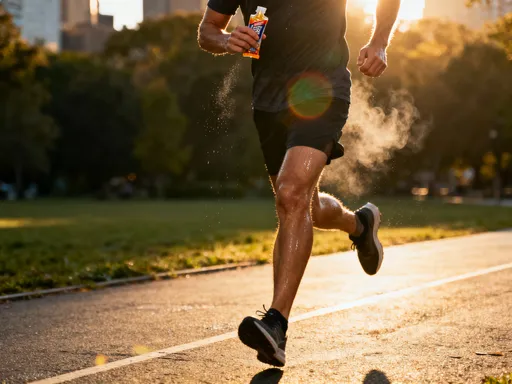
Physical activity is a powerful tool for improving liver health, independent of weight loss. While losing excess weight can reduce liver fat, exercise offers direct benefits even if the scale doesn’t change much. Both aerobic and resistance training have been shown to decrease liver fat content by improving insulin sensitivity, increasing fat oxidation, and reducing visceral fat—the dangerous fat stored around internal organs.
Aerobic exercise, such as brisk walking, cycling, or swimming, increases heart rate and oxygen consumption, prompting the body to burn fat for fuel. Studies show that engaging in moderate-intensity aerobic activity for 150 minutes per week—about 30 minutes, five days a week—can lead to significant reductions in liver fat within just a few months. The key is consistency. Even short walks after meals can help regulate blood sugar and reduce the liver’s fat-producing signals.
Resistance training, including bodyweight exercises, free weights, or resistance bands, builds muscle mass, which in turn improves metabolic rate. Muscle tissue is more insulin-sensitive than fat, meaning it helps clear glucose from the blood more efficiently. This reduces the burden on the liver to manage blood sugar and store fat. Incorporating strength training two to three times per week complements aerobic activity and provides a more complete metabolic benefit.
For many women in their 30s to 50s, finding time to exercise can be challenging. The solution is not to aim for perfection but to integrate movement into daily life. Park farther away, take the stairs, do squats while brushing teeth, or follow a 10-minute home workout video during a break. The goal is to move more and sit less. Over time, these small efforts add up. Most people begin to notice improvements in energy, mood, and digestion within weeks, even before major changes appear in blood tests or imaging.
Lifestyle Levers: Sleep, Stress, and Liver Health
Diet and exercise are foundational, but two often-overlooked factors—sleep and stress—play a critical role in liver health. Poor sleep disrupts hormonal balance, increasing levels of ghrelin (the hunger hormone) and decreasing leptin (the fullness hormone), which can lead to overeating and cravings for sugary, high-fat foods. It also impairs glucose metabolism and insulin sensitivity, directly contributing to fat accumulation in the liver.
Chronic stress has similar effects. When the body is under constant stress, it produces elevated levels of cortisol, a hormone that increases blood sugar and promotes fat storage, particularly in the abdominal area and liver. Emotional eating, often triggered by stress, further compounds the problem by introducing excess calories and sugar. Over time, this creates a cycle: poor sleep leads to more stress, which worsens eating habits, which strains the liver, which affects energy and mood, making it harder to sleep.
Improving sleep quality starts with consistency. Going to bed and waking up at the same time every day—even on weekends—helps regulate the body’s internal clock. Creating a calming bedtime routine, such as reading or gentle stretching, signals the body that it’s time to wind down. Limiting screen time before bed reduces exposure to blue light, which can interfere with melatonin production. A cool, dark, quiet bedroom environment supports deeper, more restorative sleep.
Managing stress requires intentional practices. Mindfulness techniques, such as deep breathing, meditation, or journaling, can lower cortisol levels and improve emotional regulation. Even a daily 5-minute pause to focus on breathing can make a difference. Engaging in enjoyable activities—gardening, walking in nature, listening to music—also helps counteract the effects of chronic stress. These habits don’t fix everything overnight, but they create a supportive internal environment where the liver can heal.
Tracking Progress and Staying Consistent Without Obsession
Reversing fatty liver is not a quick fix—it’s a gradual process that requires patience and consistency. Many people expect rapid results and become discouraged when changes aren’t immediately visible. However, metabolic healing happens from the inside out, and improvements often show up in ways that aren’t reflected on the scale. Increased energy, better digestion, improved mood, and clearer skin are all positive signs that the body is responding.
Blood tests are another important way to track progress. Over time, liver enzyme levels (ALT and AST) typically decrease with lifestyle changes. Triglycerides, fasting glucose, and HbA1c (a marker of long-term blood sugar control) may also improve. These lab values provide objective feedback, but they should be reviewed with a healthcare provider to ensure accurate interpretation. Imaging tests, if repeated, can show reductions in liver fat, though they are not always necessary for monitoring.
It’s important to avoid extreme diets or obsessive behaviors. Very low-calorie diets or rapid weight loss can actually worsen liver health by increasing fat mobilization and oxidative stress. Instead, focus on sustainable, balanced changes that can be maintained for life. Allow for flexibility—enjoying a meal out or a treat occasionally doesn’t undo progress. What matters most is the overall pattern over time.
Building a support system can help maintain motivation. Sharing goals with a trusted friend or joining a community with similar health interests provides encouragement. Keeping a simple journal to note energy levels, food choices, or exercise habits can increase awareness and accountability. The goal is not perfection, but progress—small, steady steps that add up to meaningful change.
A Healthier Liver, A Lighter You
Fatty liver is not a life sentence—it’s a wake-up call. It signals that the body is overloaded and in need of better fuel, movement, and care. The good news is that the liver is remarkably resilient. With the right lifestyle choices, it can repair itself and regain optimal function. This journey isn’t about deprivation or drastic measures; it’s about making consistent, science-backed decisions that support long-term health.
Diet, exercise, sleep, and stress management work together to create a foundation for healing. Each choice—choosing water over soda, walking after dinner, getting to bed on time—adds up. Over time, these habits transform not just liver health, but overall well-being. Energy improves, mood stabilizes, and confidence grows. What starts as a health concern can become a catalyst for a healthier, more vibrant life.
Always work with your healthcare provider to monitor your progress and adjust your plan as needed. This guide is not a substitute for medical advice, but a companion to help you understand your body and take empowered action. You don’t have to do everything at once. Start with one change, master it, then add another. The path to a healthier liver is built one small, intentional step at a time. And with each step, you’re not just healing your liver—you’re reclaiming your health, your energy, and your life.