How I Upgraded My Health in Days — Simple Changes That Actually Stick
You don’t need a total life overhaul to feel better—small, smart shifts can make a real difference fast. I used to feel drained, unfocused, and stuck in unhealthy routines—until I tried simple lifestyle tweaks backed by science. No extreme diets, no magic pills. Just real, doable changes that fit into everyday life. This isn’t medical advice, but what I’ve tested and felt firsthand. If you're looking for practical, lasting upgrades to stay ahead of illness and boost energy, this is for you.
The Wake-Up Call: When "Fine" Wasn’t Enough
For years, I told myself I was fine. I wasn’t sick, at least not in any way a doctor could diagnose. But I was tired—consistently tired. Mornings felt like a battle. My focus would fade by mid-afternoon, and I relied on coffee and sugar to push through. I caught every cold that went around the office, and recovery took longer each time. I chalked it up to being busy, to the demands of family and work. But deep down, I knew something was off.
That realization came during a routine check-up. My blood pressure was slightly elevated, my vitamin D levels were low, and my doctor gently suggested I pay more attention to my habits. Not because I was sick, but because I was on a path that could lead there. That was the wake-up call. I wasn’t broken, but I was eroding—slowly, silently. What I learned later is that this state—being technically healthy but functionally depleted—is more common than we think. It’s often called suboptimal health, and it’s a known risk factor for chronic conditions like heart disease, diabetes, and weakened immunity.
The body sends signals long before disease appears. Fatigue, poor sleep, low motivation, frequent infections—these aren’t just inconveniences. They’re early warnings. Ignoring them is like ignoring a check engine light. You might keep driving, but the risk of a breakdown increases. The good news? This stage is highly reversible. You don’t need a diagnosis to start making changes. In fact, the best time to act is when you still feel mostly okay—because prevention is always easier than repair.
My turning point wasn’t dramatic. It was quiet. I stopped waiting for a crisis. I decided that feeling better wasn’t a luxury—it was a responsibility. And that shift in mindset opened the door to real change. I began to see health not as a destination, but as a daily practice. Small choices, consistently made, could rebuild my resilience. I didn’t need a miracle. I needed a plan. And it started with the most foundational pillar: sleep.
Sleep Hacks That Work (Even If You’re Busy)
Sleep used to be the first thing I sacrificed. Late-night emails, scrolling through social media, or just staying up too long after the house was quiet—sleep felt like a luxury I couldn’t afford. But science tells a different story. Sleep isn’t downtime. It’s active maintenance. During deep sleep, your brain clears out toxins, your immune system strengthens, and your cells repair. It’s one of the most powerful tools we have for disease prevention, yet it’s often the most neglected.
Research from institutions like the National Sleep Foundation shows that adults need 7 to 9 hours of quality sleep per night. Yet, nearly one-third of adults get less than 7. Chronic sleep deprivation is linked to higher risks of obesity, heart disease, depression, and weakened immune response. It affects your judgment, your mood, and even your ability to regulate blood sugar. In short, poor sleep doesn’t just make you tired—it makes you more vulnerable.
So how do you protect your sleep when life is full? I started with consistency. Going to bed and waking up at the same time every day—even on weekends—helps regulate your body’s internal clock, or circadian rhythm. This simple act improved my energy more than any supplement ever did. I also created a screen curfew. Blue light from phones, tablets, and TVs suppresses melatonin, the hormone that signals it’s time to sleep. I began turning off screens at least an hour before bed. Instead, I read a book, listened to calming music, or practiced light stretching.
Another small but powerful change was adjusting my bedroom environment. I aimed for a cool, dark, and quiet space. Studies show that a room temperature between 60 and 67 degrees Fahrenheit is ideal for sleep. I invested in blackout curtains and used a white noise machine to block outside sounds. I also made my bed every morning—a small habit that reinforced the idea that this space was for rest, not work or worry.
The biggest shift was mindset. I stopped seeing sleep as lost time and started seeing it as an investment. Every night, I was giving my body the chance to heal, reset, and prepare for the next day. Within a week of these changes, I noticed a difference. I woke up more easily. My mind felt sharper. I was less reactive to stress. Sleep didn’t fix everything, but it gave me a stronger foundation to build on.
Move More Without “Working Out”
I’ll be honest—I never liked the gym. The thought of forcing myself onto a treadmill or lifting weights felt like punishment, not self-care. For years, I believed that if I wasn’t sweating for an hour, I wasn’t doing enough. But then I learned about NEAT—non-exercise activity thermogenesis. It refers to all the calories you burn through daily movement that isn’t formal exercise: walking, standing, fidgeting, gardening, even cooking. And here’s the surprising truth: NEAT can have a bigger impact on your health and weight than structured workouts.
Research published in the journal Obesity shows that people with high NEAT levels burn up to 2,000 more calories per day than those with low activity. More importantly, constant low-level movement improves circulation, supports joint health, boosts mood, and helps regulate blood sugar. It’s not about intensity. It’s about consistency. Your body is designed to move throughout the day, not sit for hours and then sprint for 30 minutes.
So I stopped chasing workouts and started weaving movement into my day. I began with walking meetings. Instead of sitting in a conference room, I suggested walking while discussing projects. At home, I set a timer to stand up every hour. I’d stretch, walk around the house, or do a quick chore. I took the stairs instead of the elevator, parked farther from store entrances, and walked the dog twice a day—rain or shine.
I also changed how I worked. I switched to a standing desk for part of the day. When I had to sit, I used a small stability ball as a chair to engage my core. I did calf raises while brushing my teeth, squats while waiting for the microwave, and shoulder rolls while folding laundry. These weren’t grand gestures. They were tiny acts of movement that added up.
The results surprised me. My energy improved. My posture got better. I didn’t feel stiff or sore like I used to after long hours at the computer. And I didn’t need to carve out extra time. Movement became part of my routine, not a separate task. I realized that fitness isn’t about how hard you push yourself once in a while. It’s about how you move through your day. Small, frequent motion keeps your body awake, your metabolism active, and your mind clear.
Eating for Energy, Not Just Hunger
I used to eat to satisfy hunger, not to fuel my body. My meals were often rushed—grabbing whatever was quick and convenient. I didn’t think much about how food affected my energy, mood, or long-term health. But food is more than calories. It’s information. Every bite sends signals to your cells, influencing how you feel, think, and function. When I started viewing food as fuel and cellular support, everything changed.
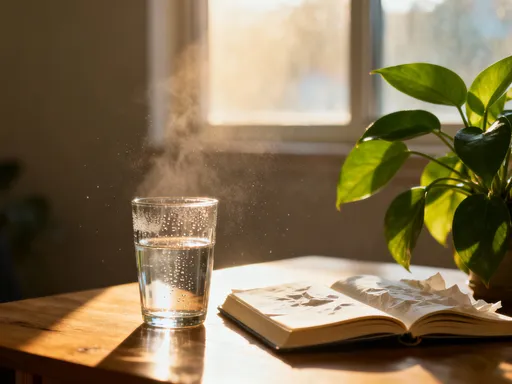
The goal isn’t perfection. It’s progress. I didn’t adopt a strict diet or eliminate entire food groups. Instead, I focused on simple, sustainable swaps. I started drinking more water and cutting back on sugary drinks. I kept a glass of water on my desk and refilled it throughout the day. I replaced afternoon soda with herbal tea or sparkling water with lemon. Hydration improved my focus and reduced afternoon fatigue.
I also made small changes to my snacks. Instead of reaching for chips or cookies, I kept a bowl of nuts on the counter. Almonds, walnuts, and cashews are rich in healthy fats and protein, which help stabilize blood sugar and keep hunger at bay. I added vegetables to every meal—steamed broccoli with dinner, spinach in my morning eggs, carrots and cucumbers with lunch. These additions increased my fiber intake, which supports digestion and long-term health.
One of the most effective changes was balancing my plate. I aimed for a mix of protein, healthy fats, and complex carbohydrates at each meal. This combination slows digestion, prevents blood sugar spikes, and keeps energy steady. For example, instead of toast with jam, I switched to whole grain toast with avocado and a boiled egg. Instead of a plain bagel, I chose oatmeal with nuts and berries. These meals kept me full longer and prevented the 3 p.m. crash.
I didn’t count calories or track macros. I just paid attention. How did I feel after eating? Was I energized or sluggish? Did my mood improve or dip? This awareness helped me make better choices without feeling restricted. Eating well became less about rules and more about respect—for my body, my time, and my long-term well-being.
Stress Doesn’t Just “Feel Bad”—It Wears You Down
Stress used to be my normal. I wore it like a badge of honor—proof that I was busy, capable, and in demand. But over time, I noticed the cost. I was more irritable. My sleep suffered. I caught every virus that went around. What I didn’t realize was that stress wasn’t just emotional. It was physical. Chronic stress triggers the release of cortisol, a hormone that, in short bursts, helps you respond to challenges. But when cortisol stays elevated, it weakens your immune system, increases inflammation, and disrupts sleep.
Studies from the American Psychological Association show that long-term stress is linked to a higher risk of heart disease, digestive issues, and mental health challenges. It can even accelerate cellular aging by shortening telomeres, the protective caps on your chromosomes. Stress isn’t just uncomfortable—it’s corrosive. And the worst part? Much of it is invisible. You don’t feel the damage until it shows up as fatigue, illness, or burnout.
I knew I couldn’t eliminate stress—life will always have demands. But I could change how I responded to it. I started with micro-practices. One of the most effective was box breathing: inhale for four counts, hold for four, exhale for four, hold for four. I did this for just one minute when I felt overwhelmed. It calmed my nervous system and brought me back to the present.
I also built in 5-minute pauses throughout the day. Instead of rushing from one task to the next, I stopped. I stepped outside, looked at the sky, or just sat quietly. These moments weren’t wasted time. They were resets. I also reduced digital noise. I turned off non-essential notifications and set boundaries for email and social media. I created a “digital detox” hour before bed—no screens, just quiet.
These practices didn’t eliminate stress, but they gave me tools to manage it. I became more aware of my triggers and more intentional about my responses. Stress management isn’t a luxury. It’s a necessity. It’s not about avoiding challenges. It’s about protecting your body so it can handle them without breaking down.
Your Environment Shapes Your Health (More Than You Think)
I used to think of health as something I controlled through willpower—eating right, moving more, sleeping well. But I underestimated the power of my environment. The spaces I lived and worked in were quietly shaping my habits. Poor lighting made me feel drowsy. Stale air made my head foggy. Clutter increased my stress. I realized that if I wanted to change my behavior, I needed to change my surroundings.
One of the first things I improved was air quality. I opened windows regularly to let in fresh air. I added indoor plants like snake plants and peace lilies, which naturally filter toxins. I used a HEPA air purifier in the bedroom, especially during allergy season. Better air meant clearer breathing and sharper focus.
Lighting was another game-changer. I replaced dim, yellow bulbs with brighter, daylight-spectrum lights in my workspace. During the day, I maximized natural light by opening curtains and working near windows. Exposure to natural light helps regulate circadian rhythms, which improves sleep and mood. In the evening, I reduced blue light by using warm-toned bulbs and avoiding screens.
I also tackled clutter. I started small—clearing one shelf, organizing a drawer. A tidy space felt calmer, less overwhelming. I created dedicated spots for frequently used items, so I wasn’t wasting energy searching. I simplified my routines by making healthy choices easier. For example, I kept a water bottle on my desk, placed fruit in a visible bowl, and laid out workout clothes the night before.
Social environment mattered too. I became more mindful of how I spent my time and with whom. Conversations that left me drained were replaced with ones that lifted me. I set gentle boundaries to protect my energy. My surroundings didn’t control me, but they influenced me. By shaping them with intention, I made healthy choices the default, not the effort.
Building Habits That Last—Not Just 3 Days
I’ve started—and quit—plenty of health routines. A new diet, a fitness challenge, a meditation app. Excitement would carry me for a few days, then life would intervene, and I’d fall back into old patterns. What I learned is that motivation fades. Willpower is limited. Lasting change doesn’t come from intensity. It comes from consistency.
Habit formation is rooted in psychology. According to research, habits follow a cue-routine-reward loop. A trigger (like waking up) leads to a behavior (like drinking water), which is followed by a reward (like feeling refreshed). The key is to make the cue obvious, the routine easy, and the reward satisfying. I started small. Instead of committing to an hour of exercise, I began with 5 minutes of stretching. Instead of overhauling my diet, I focused on one meal at a time.
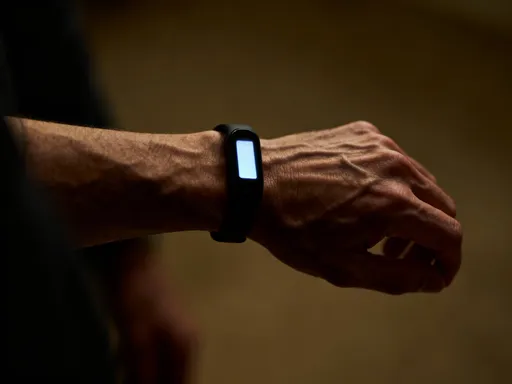
Tracking helped. I used a simple habit tracker—a calendar where I marked each day I completed a small goal. Seeing the chain grow motivated me to keep going. I also found accountability helpful. I shared my goals with a friend, not for pressure, but for support. We checked in weekly, celebrating progress without judgment.
Most importantly, I practiced self-compassion. I didn’t beat myself up for missed days. I viewed setbacks as part of the process, not failure. Health isn’t linear. Some days were better than others. But over time, the small wins added up. I began to feel stronger, clearer, more in control. The compound effect of tiny, consistent actions created lasting change.
Conclusion
True health isn’t about fixing problems—it’s about creating a lifestyle that prevents them. These changes aren’t flashy or fast-tracked by gimmicks, but they’re proven, sustainable, and within anyone’s reach. It’s not about being perfect. It’s about progress, awareness, and making your body’s job a little easier every day. Start small. Stay consistent. Let prevention become your daily rhythm. Your future self will thank you. Remember, this is personal insight, not medical advice. Always consult a healthcare professional before making significant health changes.